
Technology / News
Flint: the AI that other agents helped build
Recursive combines automated research with local coding. The interest lies in how it builds the model and what users can check.
AI, phones and hardware: what changes and what to consider before buying. We compare sources, media tests and user experiences.
101 articles
Recursive combines automated research with local coding. The interest lies in how it builds the model and what users can check.

Microsoft proposes task- and time-limited permissions. Its documentation distinguishes agent discovery from runtime protection.

The beta adds Gaussian Splats, bringing captured appearances into a creative workflow while keeping them distinct from editable surfaces.

Documented routes depend on the phone, destination, and app compatibility.

The rear bay lets you add graphics later and keep the rest of the machine.

A Hugging Face library brings local engines and remote services closer to the same code.

The model can stay on your laptop; web search and connectors add other routes for your data.

Reflection lets you keep and adapt a version, provided you can supply the infrastructure.

Text, images, and a local assistant: how much memory each part of NVIDIA’s model needs.

The bread is baked before the day’s customers arrive. An imaginary bakery and arithmetic on historical data show what a forecast should demonstrate before changing that routine.

The new upscaler offers another option if you are keeping your card. Results depend on the game.

Fewer pieces, better answers?

Moving beyond PCIe 4.0 calls for separate tests of loading times and smoothness during play.

Switching from a game to a spreadsheet changes what stays fixed on screen.

The Preview is improving, but playing takes more than a launcher.
OpenAI halves standard API rates compared with GPT-5.6 Terra and GPT-6.1 Sol.

Reconstruction, generated frames and internet video act at different stages. A guide to understanding the controls and comparing their results in your game.

A US preview that also uses your Claude allowance.

Power, data and video: three different capabilities behind the same connector.
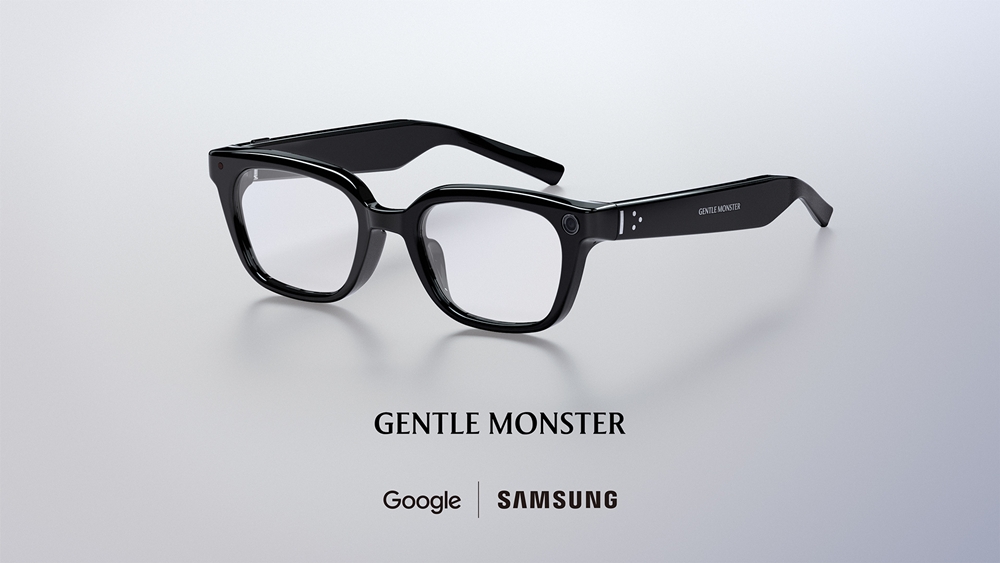
Intelligent Eyewear focuses on spoken answers without a display. A connection to the phone remains part of the proposition.

AMD raised the clock speed, but gaming gains are small and power draw rises. A Baldur’s Gate 3 test shows why the graphics card matters too.

The release candidate addresses a specific bottleneck.

What to capture, how to save the video and how to separate its sounds. A guide to understanding the settings and checking them in your editor before a long session.

Extracting, finding, and reranking pages are different jobs; a good answer needs to preserve their connections.

OpenBMB proposes interpreting images on the device itself. Its demo shows how much storage and memory that requires.

A number beside the answer needs explaining, too.

NVIDIA’s model uses connected tables to make predictions. The dates and links still need attention.

IBM offers three models for different jobs with a recording.

A verifiable model identifier with a specific role. A release remains unconfirmed.
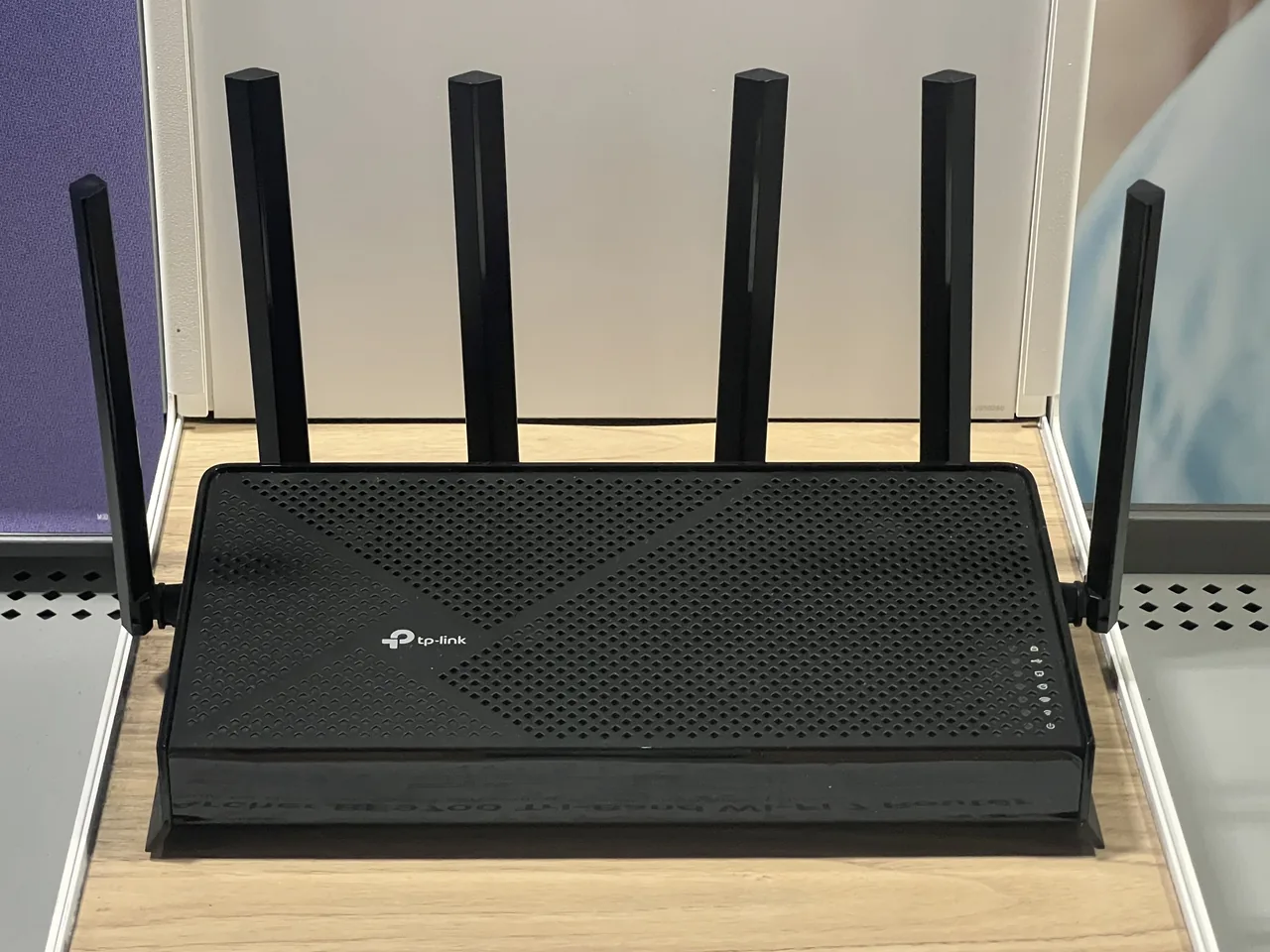
Before replacing a router, it helps to know which link is holding you back. The number on the box alone cannot tell you what will happen on the laptop in the back room.

Sharing a network with your work computer does not send it your photo library. The destination matters: a photo you send to the PC leaves a copy there.

Checking several proposals together can speed up a reply. Preparing the draft takes time, too.
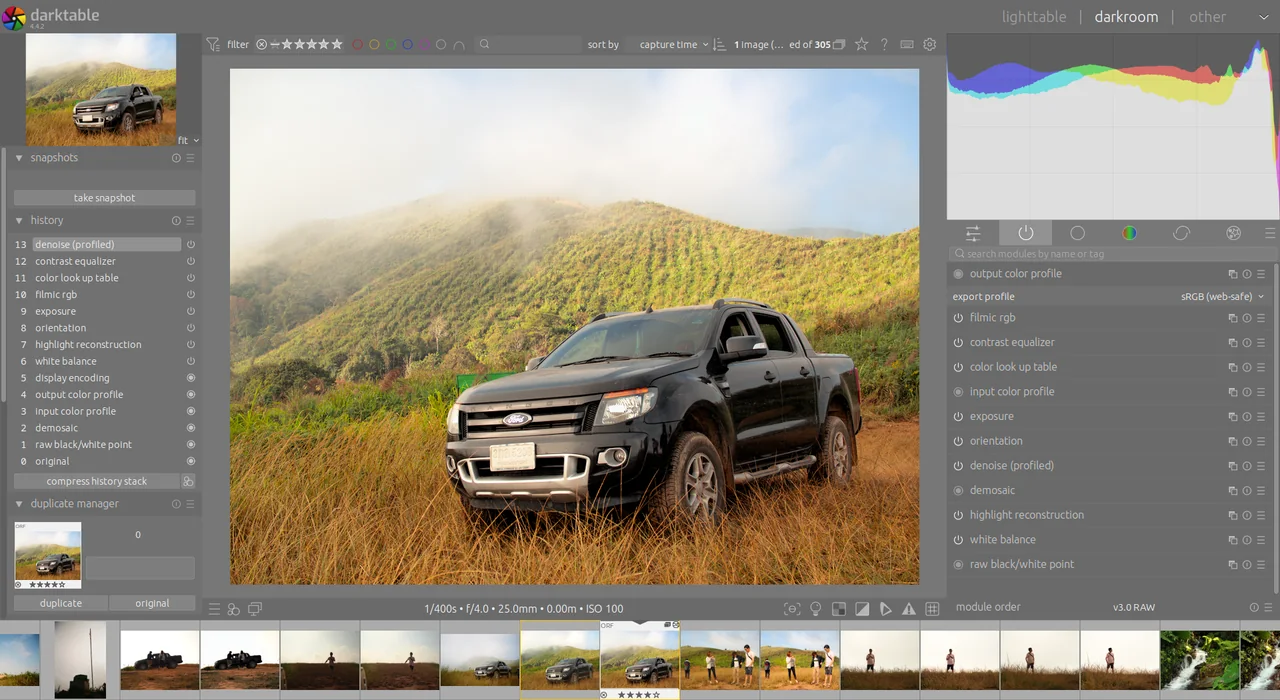
The original, the development instructions and the shareable image do different jobs. A street at sunset is our example.

A model family for forecasting time series, with local execution and results that need more context than a first-place ranking.

The 20 October update opens new image-editing options. Mode selection matters: Ultra can take minutes and requires Max or above.

Personal context, a gradual rollout and different service requirements.

The native app is progressing, but a completed milestone, a beta and a stable release are different things. Here is where the project stands.

The budget travels between computers; a deletion does too. Distinguishing synchronisation, versions and backups.

Adjustable actuation and Rapid Trigger change how a key responds. Published tests and owner accounts show what to examine beyond the 8000 Hz label.

An image file and the organisation of a library live in different places. A useful backup needs both.

Stonking Stingray arrived on October 15 with GNOME 51 and an early desktop dictation feature. Myna remains an optional technology preview.

Astra, Sol and Luna begin in a private enterprise preview. General availability and other integrations come later.

The update addresses proxy, title and audio issues. We explain their practical significance for editing a video and preserving its project.

Apple’s foldable arrives on October 23. We compare its possibilities with three early hands-ons and the conditions behind the promise.

Mechanical keys, more memory and an SSD change the complete package. Three tests help explain its benefits and remaining limitations.

DeepSeek reports improved scores; deployment still needs its own integration.

Two tests and accounts from glasses wearers show why good noise cancellation alone does not settle comfort. We compare their observations with Sony’s guides to identify what to check.

The command ring, grip and Windows 11 haptic integration meet different needs. We compare current documentation, press tests and one user’s experience to understand where it fits.

One mug, three layers and a simple change: turn red into blue while keeping the outline. A guide to understanding where you are painting and saving a project you can keep editing.

The first machines are reaching the market. We compare memory, compatibility, AI tests and battery life to understand what this platform brings to a laptop.

October’s changes raise on-demand rates and make spot pricing variable. We examine rates, interruptions and a ten-useful-hour calculation to compare the cost of completing a task.

Controlling a model does not guarantee lower costs. We put numbers to tokens, idle hours and a hypothetical PC to explain what changes the bill.

The new memory tier calls for more than a look at petaflops. We compare documentation and GX10-family tests to explain context, compatibility and response times.

An hourly GPU can let you try models that will not fit on your PC. We compare ten providers, complete nodes, spot capacity and costs that continue after compute stops.

Refresh rate, frame rate and battery life in 2023 tests.
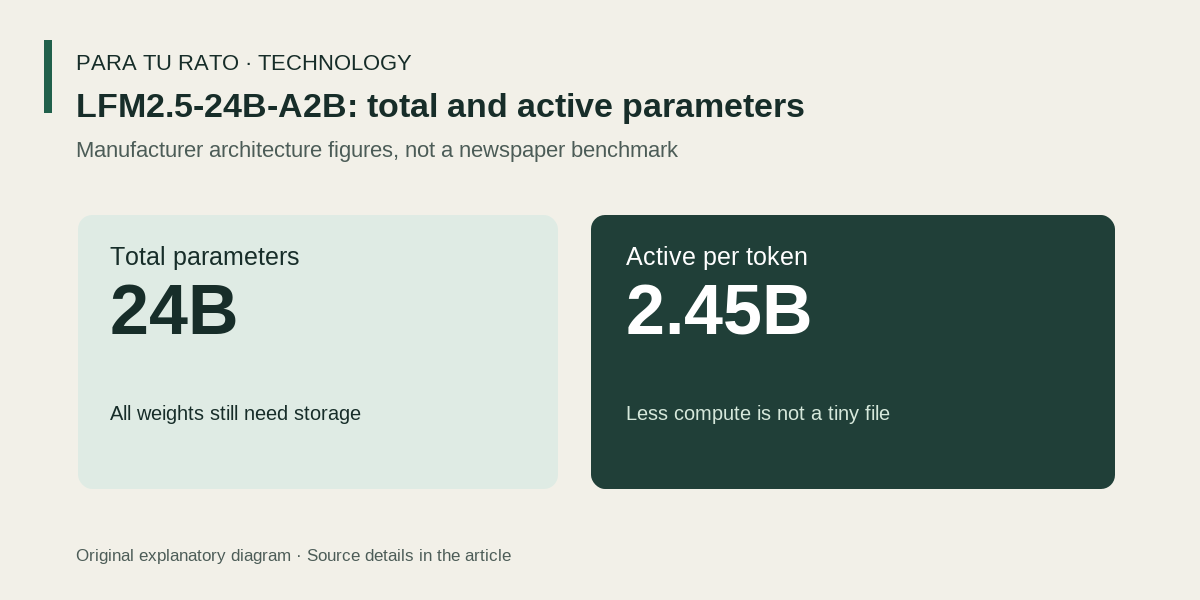
LFM2.5-24B-A2B uses only a fraction of its parameters at each step and supports Spanish. Its benchmarks show advantages in certain tool-use tasks alongside limits in knowledge, coding, and memory.
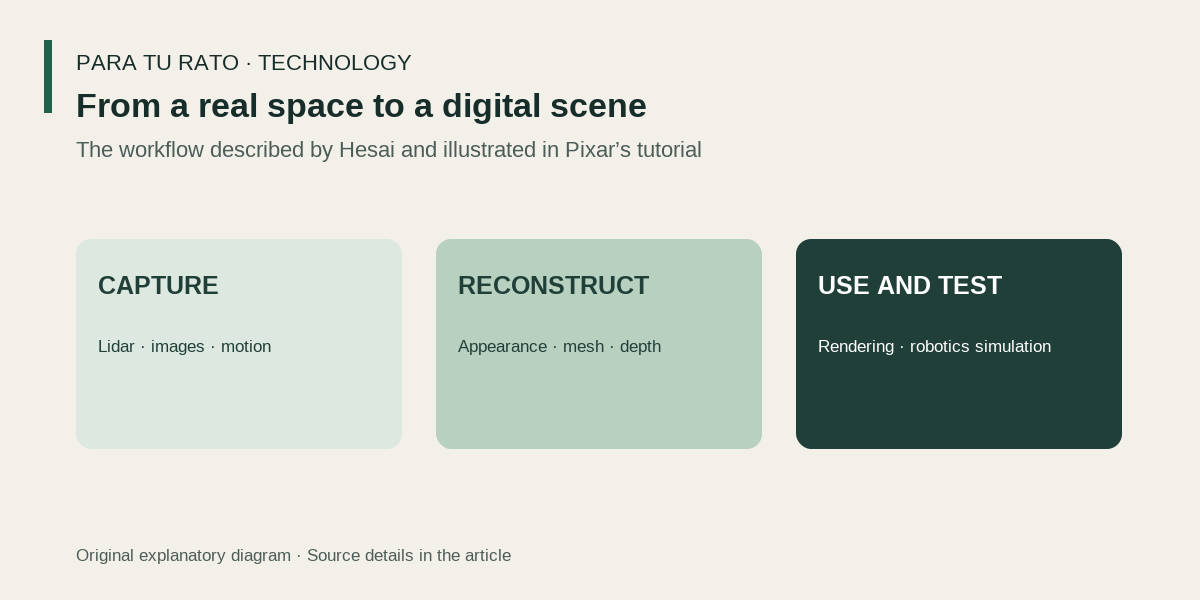
The camera and its reconstruction platform connect 3D capture, simulation, and audiovisual creation. A Pixar tutorial shows a practical application using software that is still in beta.

The partnership proposes training it on billions of simulated LHC collisions.

Controlled retrieval stands out; variable tracking shows its limits.

Announced on October 15, the service adds Blackwell Ultra with 288 GB of memory per GPU. The bill also depends on started billing hours and resources that remain reserved.
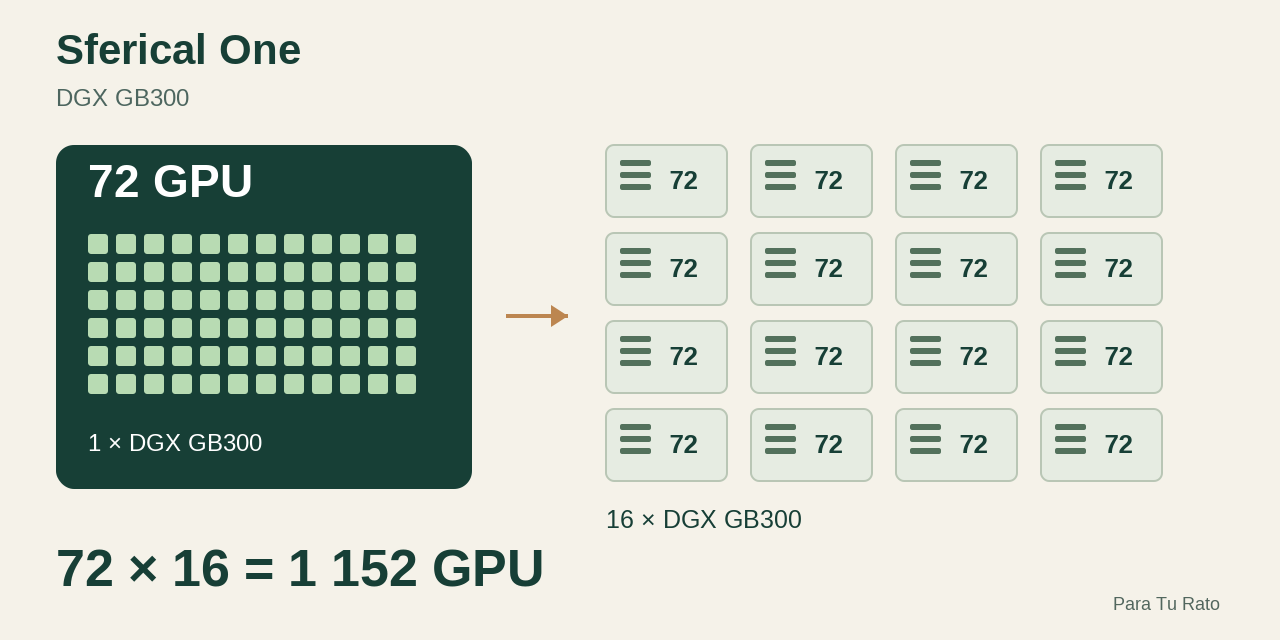
SEB is starting to use the Swedish system to find information and develop software. Sharing capacity does not mean mixing companies’ data.

Its 12GB attracted attention, but changing processors changed the benchmark story. We revisit the results, subsequent improvements and an actual setup account to understand this graphics card beyond its memory capacity.

A Ryzen AI 300 board renews the CPU, graphics and cooling; other parts are kept or replaced separately.

Two Mac Studios are enough to load Meta's model; four speed it up in the manufacturer's test.
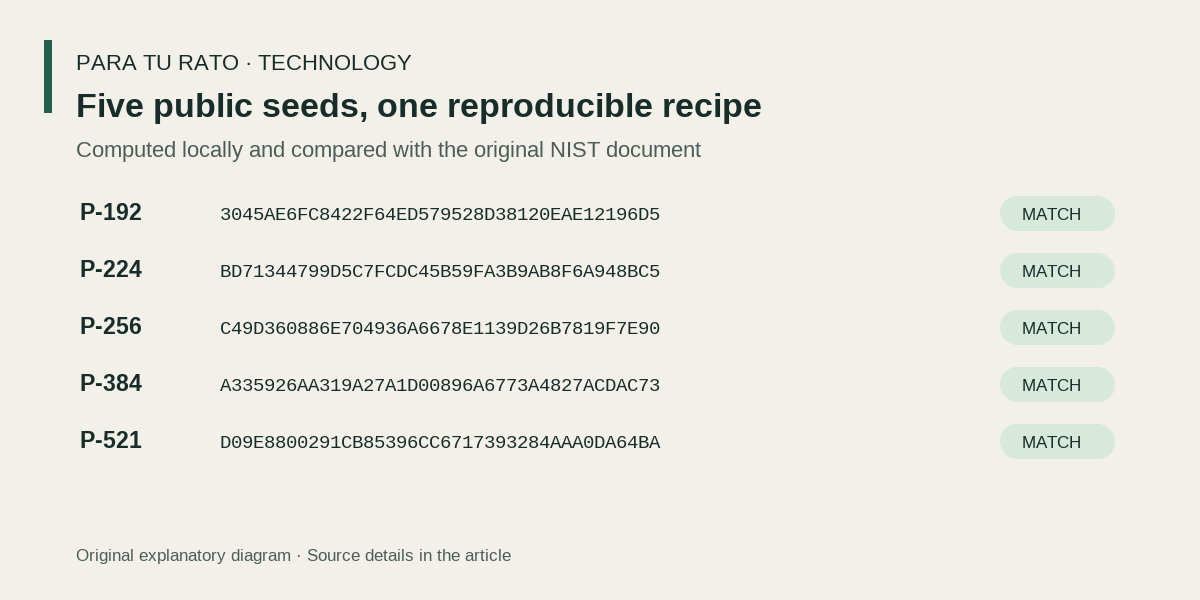
Anthropic publishes a reproducible solution to the riddle of the seeds for five NIST curves. The verification clarifies where they came from and allows a long-standing controversy over trust in cryptographic standards to be revisited.

Godot 4.8 beta 1, a test release dated October 15, 2026, freezes features and gathers changes that arrived in earlier development snapshots.

Clip handles, labels and region-based export help organize an interview while keeping cuts and speed changes separate.

One encrypted file holds your passwords. Saving it, opening it and keeping a backup are separate tasks.

Spanish and English were already supported. The expansion helps explain what Bixby, Interpreter and Now Nudge each do.

A lamp that turns on when you get home is enough to explain integrations, conditions and states, and to spot devices that depend on a maker’s cloud.

The free editor for Windows, macOS and Linux mixes formats and lets you select in and out points before arranging shots.

Mozilla proposes managing browser policies and data on an organisation’s own infrastructure. France, Germany, Austria and Switzerland are its initial sales focus.

Reusable instructions are beginning to reach the app. Skills within Workspace have been delayed, on a separate timetable.

Notes are stored on the device first. Syncing, encrypting what travels and keeping a separate copy are distinct jobs.

In this calculated example, a plate grows from 40 to 60 mm. Keeping the hole’s distance from the edge produces a different result from fixing its coordinate.
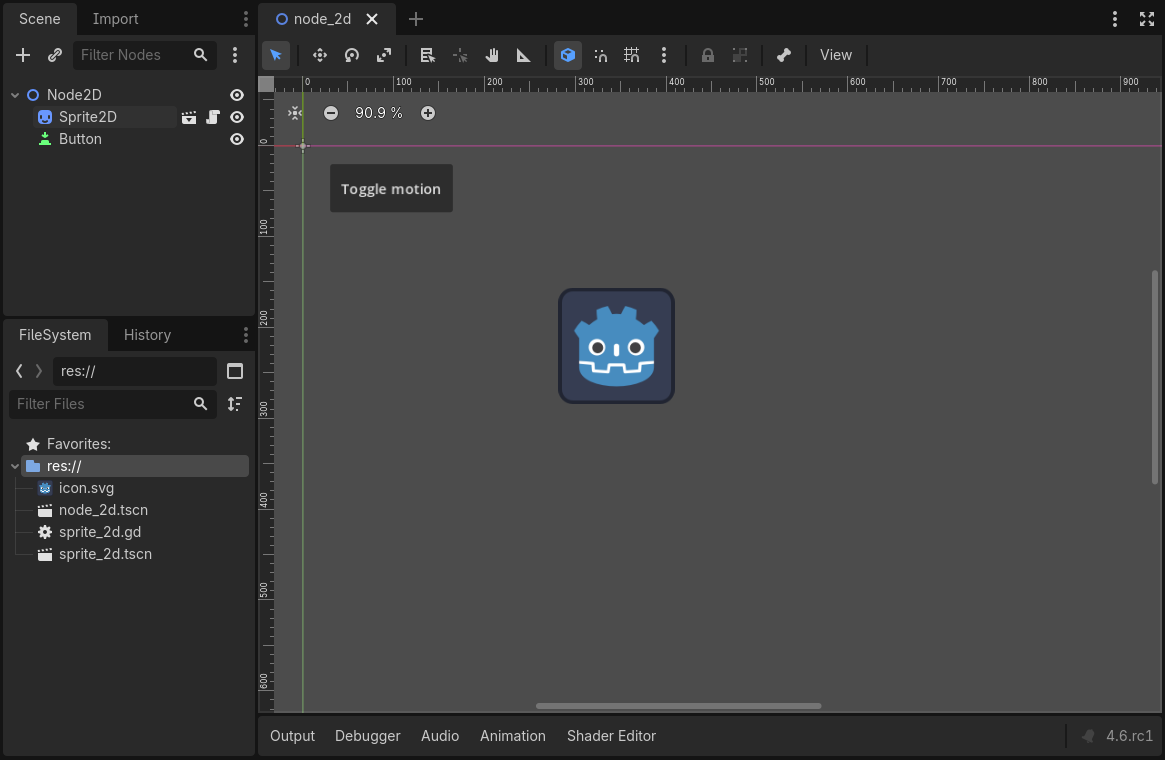
Scenes group game elements and can be reused. F6 tests the open scene; F5 starts the project.

More room for data; that variant’s speed remains unproven.
Microsoft includes a fix for mouse input in some games. The update targets 26H1, with AI components limited to Copilot+ devices.

Antigravity supports paid Pro, with conditions for trials. Monthly subscriptions and the API have different pricing.
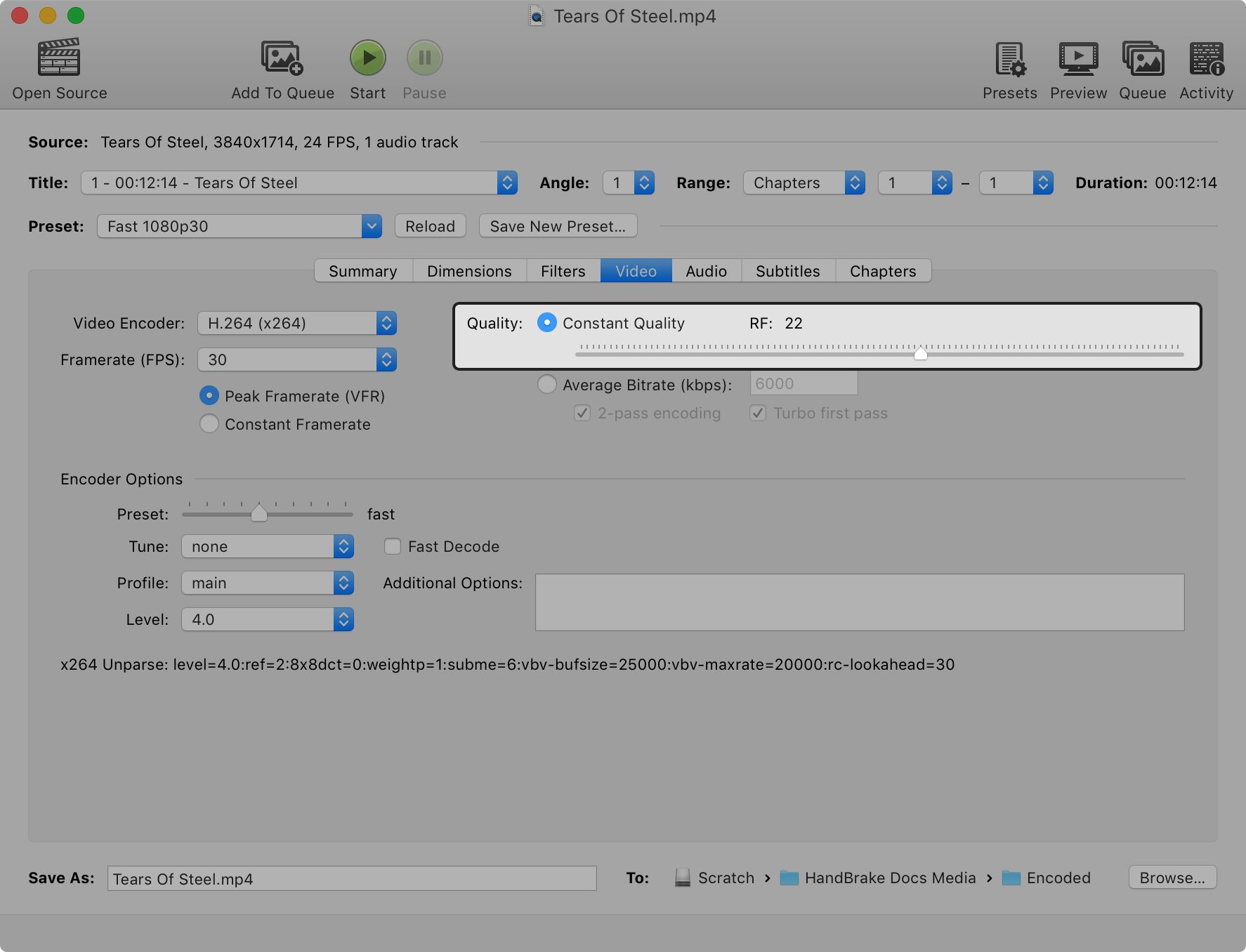
How to choose a format and quality, prepare a sample and check the copy on your tablet before leaving.
Your chosen window, your microphone and a file you can review.

The new French AI has two stages: service access and a future file release. What changes for people who want to use it and those who want to run it themselves.
NVIDIA announces a faster model. That does not double the game’s frame rate.
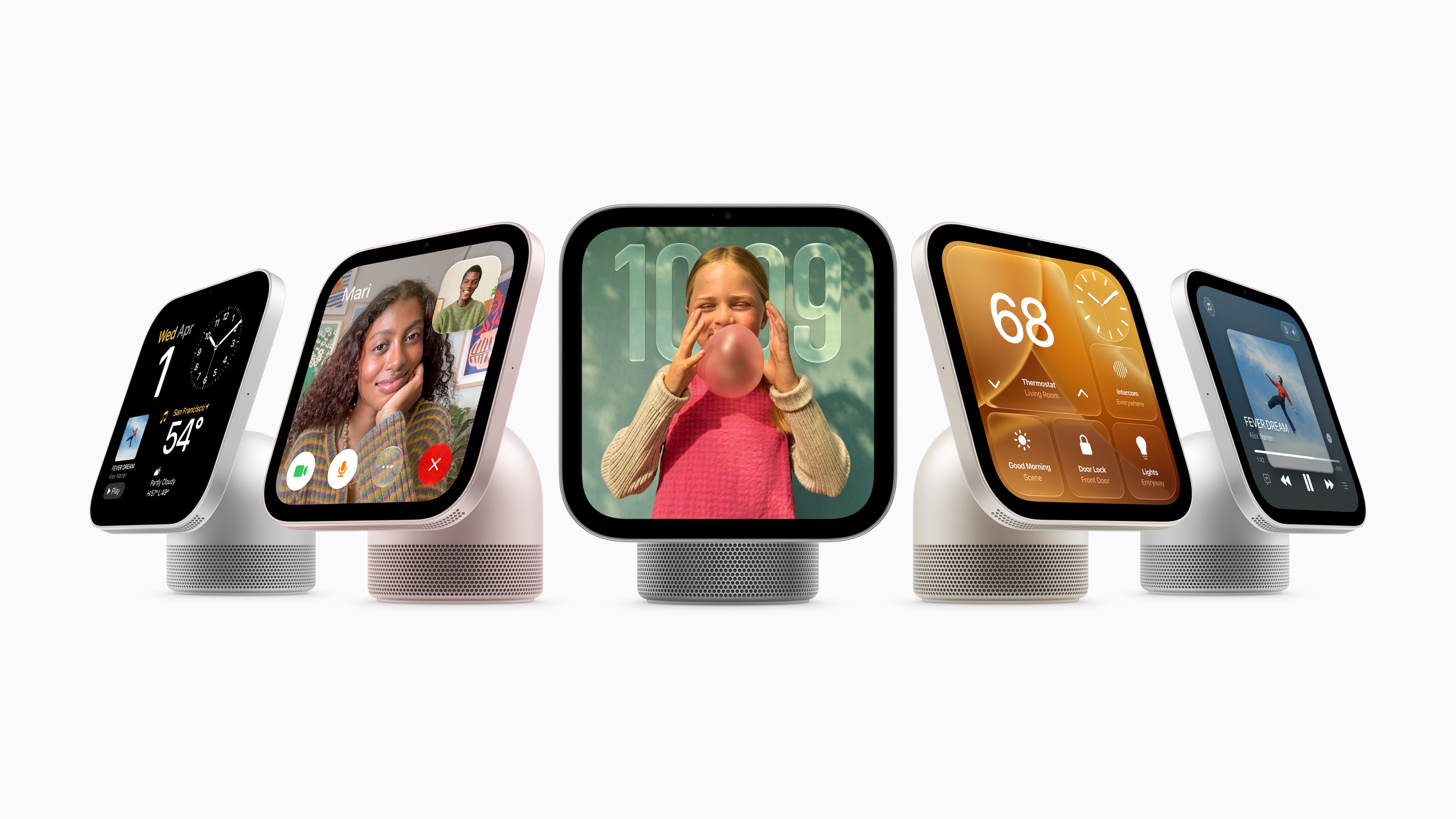
A shared screen that recognizes who is in front of it and, under certain conditions, shows them their calendar.

MiniMax revealed the identity on 19 October. We update the rumour and explain what changes about access.

It keeps per-wire monitoring of the 16-pin connector and adds Noctua cooling.
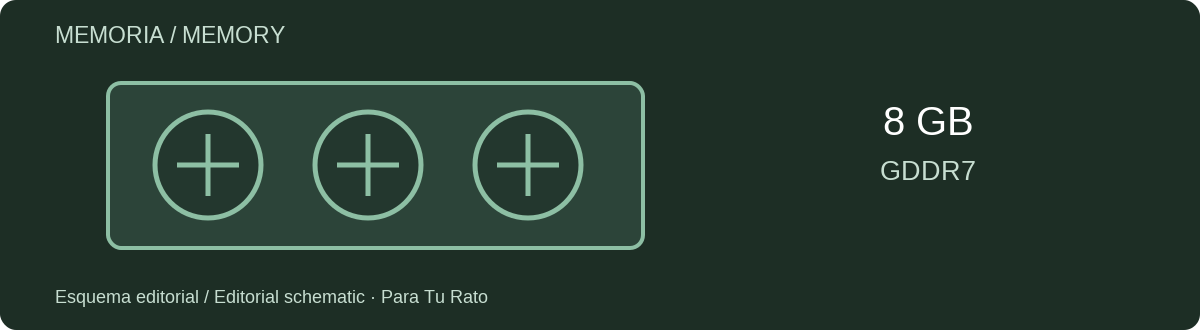
The new edition combines themed design with an 8GB RTX 5060. We compare European tests and what to check against alternatives.
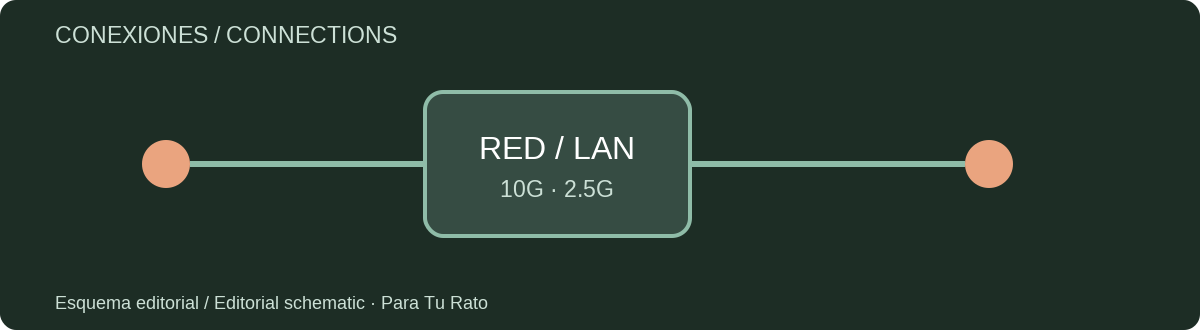
The shipping launch brings an ambitious router. European tests help distinguish useful connections today from promises for future devices.

Adjustable actuation, tests with differing conclusions and a usage account: what to check before changing keyboards.

The adjustable click appeals; skate feel divides opinion. We compare player experiences and published tests, using the European model’s figures.

Spanish buyer experiences, tests with differing settings and a compact card: buying research with your monitor in mind.
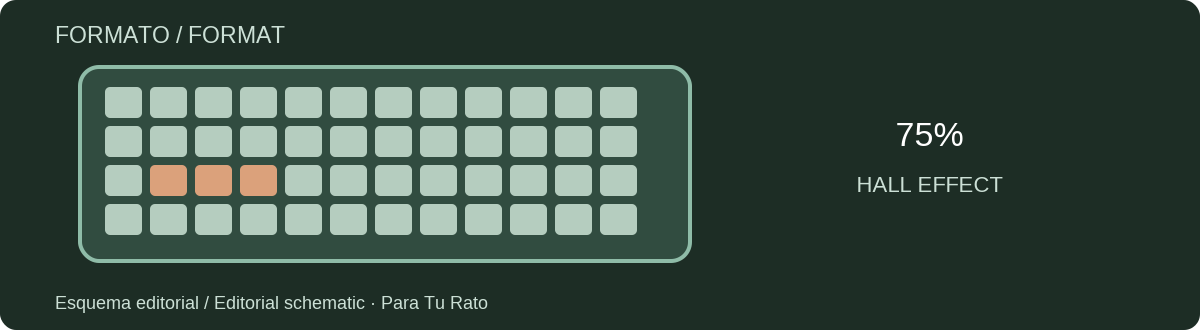
We compare tests and a self-reported month of use: a compact format, magnetic keys and modules to include in the price.

Buying research comparing user experiences, specifications and published tests. The compact design does not guarantee identical noise on every unit.

Buying research comparing user experiences, specifications and published tests. Side access means measuring your case.

Compact mode reduces the space taken by toolbars. The 6 October patch fixes specific bugs, and suggestions remain adjustable.

Anthropic’s model targets short, repetitive tasks. Its usefulness depends on the mistakes it makes; its cost depends on each request’s size.

The 6+ changes the processor and memory. Repairability, warranty coverage and software support address different needs.

It barely beat the 4070 Super at launch. With DLSS, seeing more frames and responding sooner are different improvements.
Anthropic brings together partner benefits and support for founders. The headline amount is not a cash transfer, and earlier free offers are over capacity.
OpenAI positions Flare for speed and Sunburst for demanding edits. Both variants generate and edit images.

A separate chip for running small models locally. Its usefulness depends on your project and the compatible model it needs.
No results. Try different words.